

Incident Investigation & Reporting
Root cause investigation methodology including 5 Whys and Fishbone analysis, with practical work on reporting, corrective action and communicating lessons learned.
Learning outcomes
- Understand the importance of reporting all incidents, including near-misses.
- Follow the established procedures for incident reporting.
- Conduct thorough incident investigations to identify root causes.
- Use investigation techniques such as "5 Whys" or Fishbone diagrams.
- Develop and implement corrective and preventive actions (CAPA).
- Document investigation findings and recommendations clearly.
- Communicate lessons learned from incidents to the workforce.
- Monitor the completion and effectiveness of corrective actions.
- Understand the legal and organizational requirements for incident reporting.
- Promote a "no-blame" culture to encourage open reporting.
Who should attend
All site personnel, supervisors, HSE officers and contractor staff
On completion
Global SPS certificate of training issued to each successful participant, with records retained for client and regulatory audit.
Where we deliver this course
We deliver the Incident Investigation & Reporting course at our training centre in Abidjan or directly on your site anywhere in Côte d'Ivoire and West Africa, in English or French, for groups of 6 to 16 participants. Courses follow international standards and are scheduled around your operation.
Related courses

Occupational Health and Safety
A comprehensive grounding in occupational health and safety management, covering legislation, hazard control, risk assessment and the leadership behaviours that sustain a positive safety culture.
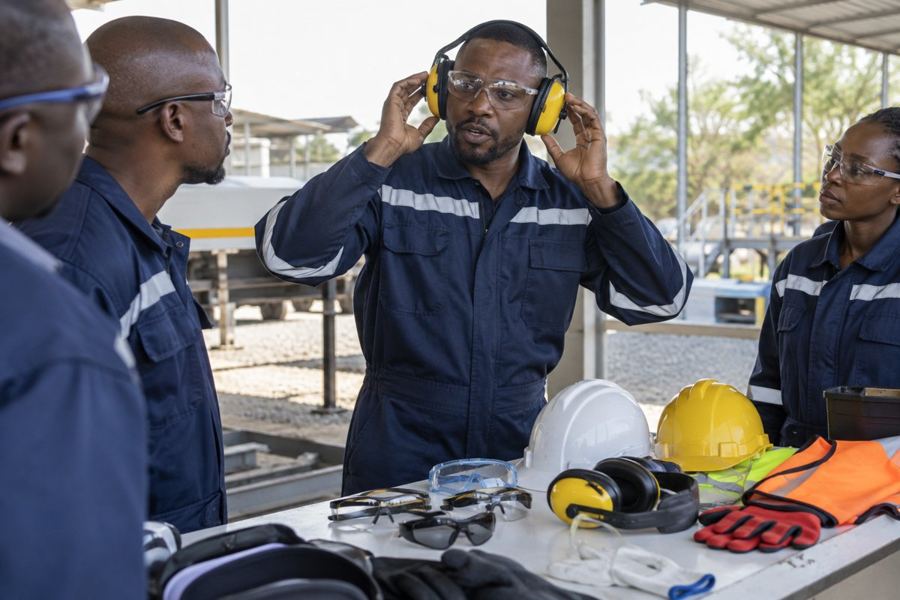
Workplace Safety Awareness
A one-day induction that gives every worker the core awareness needed to recognise hazards, use PPE correctly and follow site safety protocols with confidence.
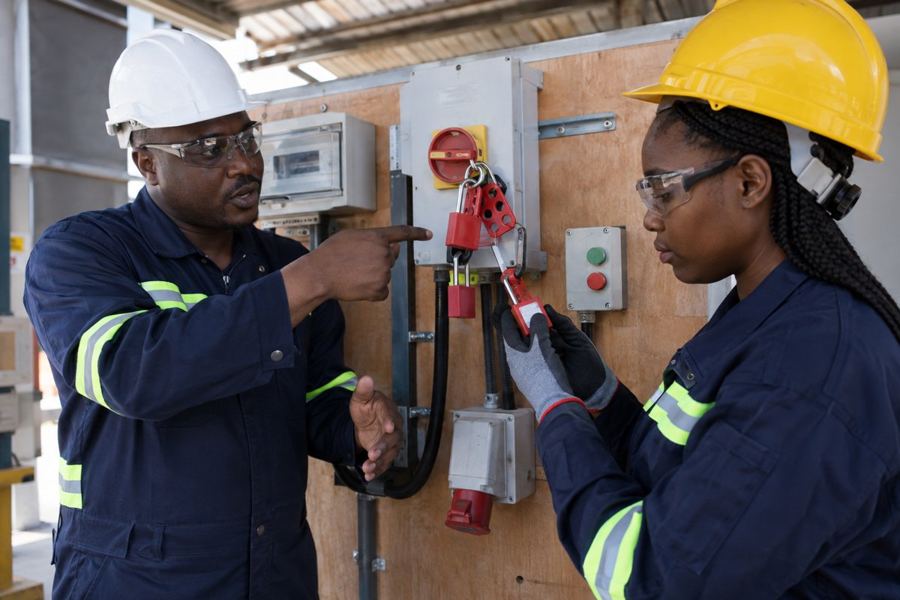
Life Saving Rules
Focused training on the Life Saving Rules — the small set of non-negotiable controls that prevent the majority of fatal incidents — and the intervention skills to uphold them.

Golden Rules of Safety
Practical instruction in the Golden Rules of Safety, translating each rule into the specific behaviours expected during routine and non-routine work.
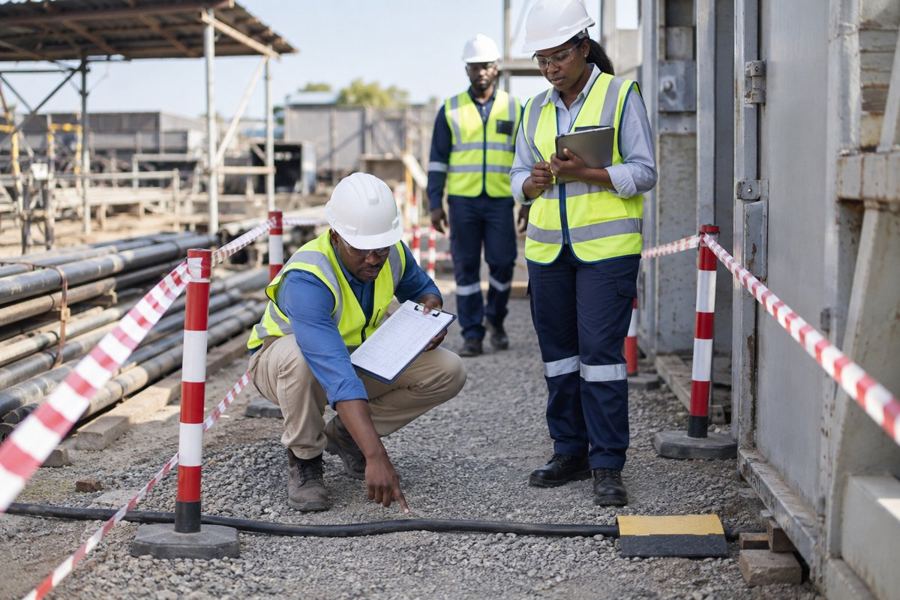
Hazard Identification & Risk Assessment
Hands-on development of HIRA and JSA technique: identifying hazards, evaluating likelihood and severity, and applying the hierarchy of controls to real work activities.

Behaviour Based Safety
An applied introduction to behaviour-based safety — conducting observations, giving constructive feedback and using behavioural data to drive measurable improvement.
Train your team with Global SPS
Tell us the number of participants, your preferred dates and location, and we will send you a tailored proposal.