Occupational Health and Safety
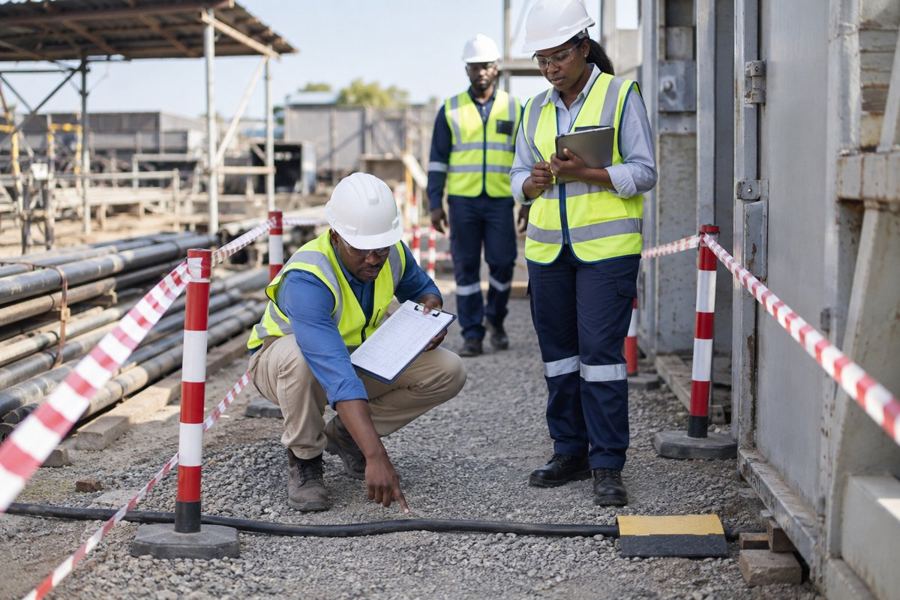
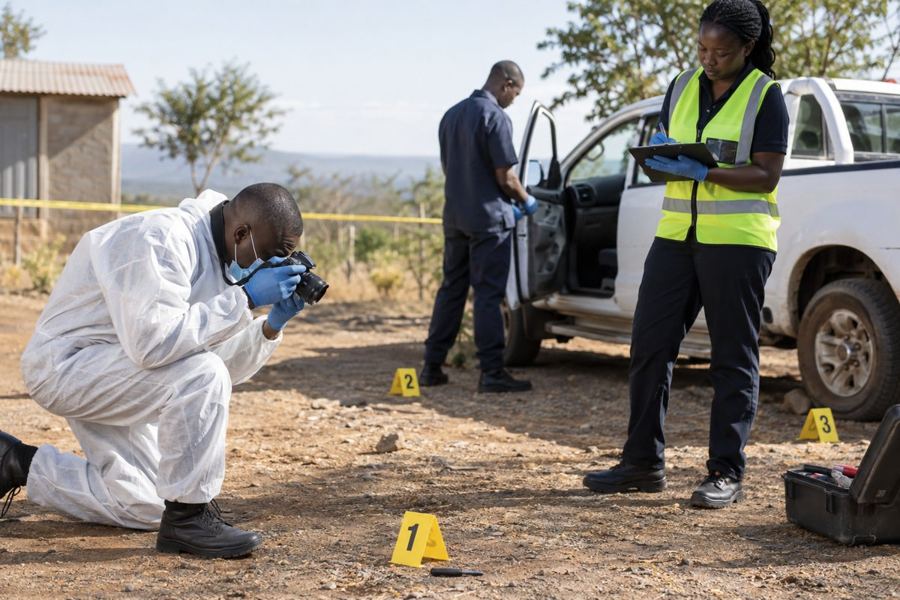
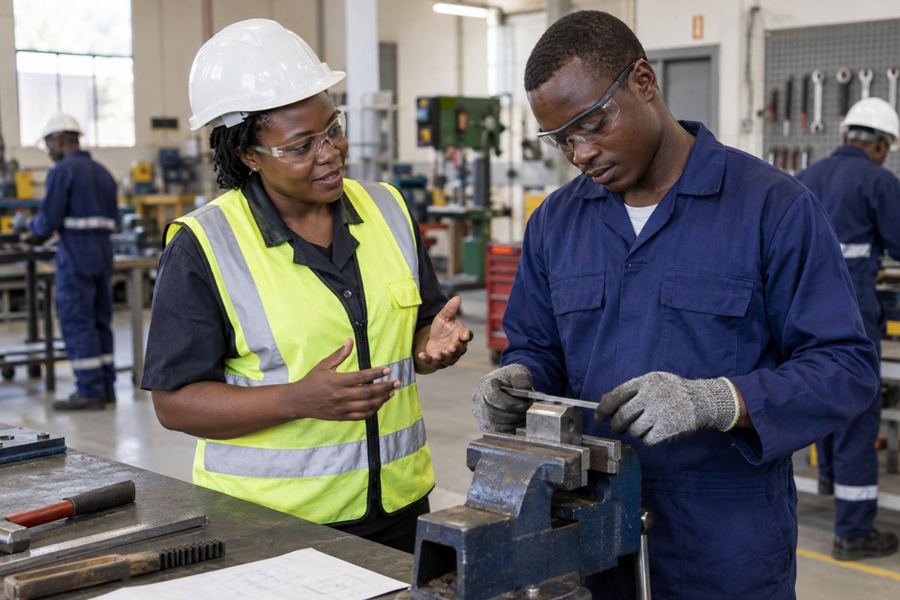
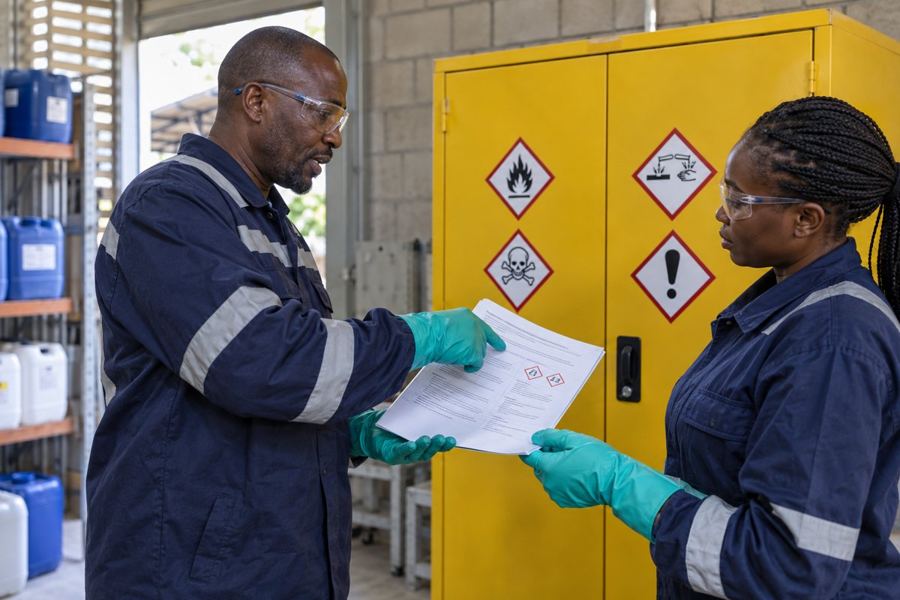
A comprehensive grounding in occupational health and safety management, covering legislation, hazard control, risk assessment and the leadership behaviours that sustain a positive safety culture.
Health, safety and technical training delivered to international standards — on your site, in your language, for your people.
The complete catalogue with every course, duration, class size and assessed learning outcome — plus an individual factsheet for each course below.

A comprehensive grounding in occupational health and safety management, covering legislation, hazard control, risk assessment and the leadership behaviours that sustain a positive safety culture.
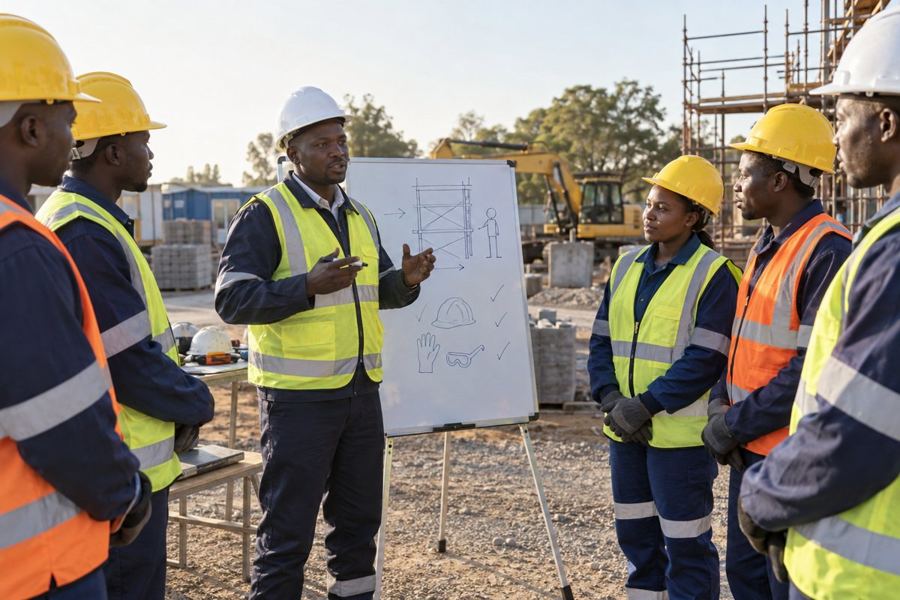
A one-day induction that gives every worker the core awareness needed to recognise hazards, use PPE correctly and follow site safety protocols with confidence.

Focused training on the Life Saving Rules — the small set of non-negotiable controls that prevent the majority of fatal incidents — and the intervention skills to uphold them.

Practical instruction in the Golden Rules of Safety, translating each rule into the specific behaviours expected during routine and non-routine work.

Hands-on development of HIRA and JSA technique: identifying hazards, evaluating likelihood and severity, and applying the hierarchy of controls to real work activities.

Root cause investigation methodology including 5 Whys and Fishbone analysis, with practical work on reporting, corrective action and communicating lessons learned.

An applied introduction to behaviour-based safety — conducting observations, giving constructive feedback and using behavioural data to drive measurable improvement.

Control of Substances Hazardous to Health: assessment, exposure control, monitoring and health surveillance for chemical and biological agents in the workplace.

Awareness and control of Naturally Occurring Radioactive Material in oil and gas operations, covering detection, exposure limits, handling and disposal.

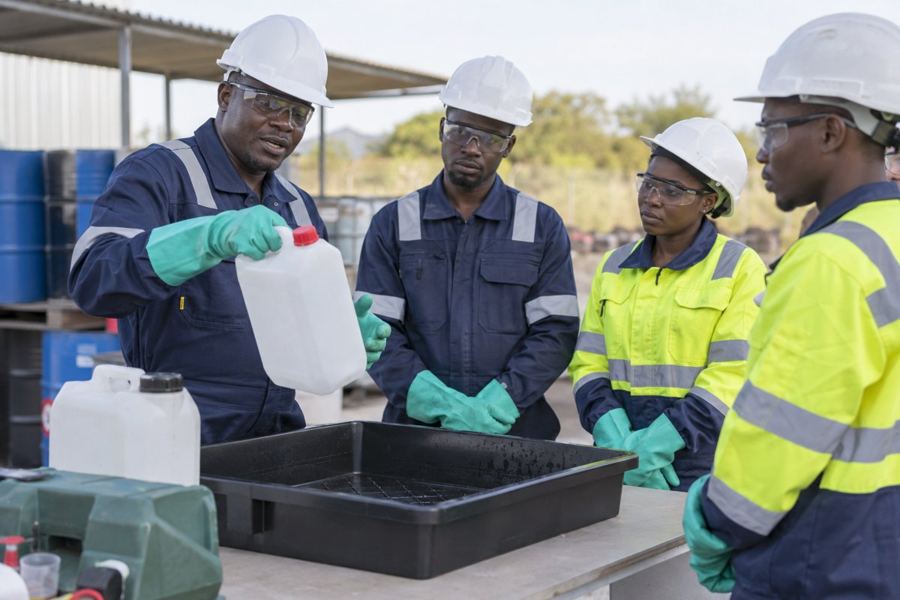
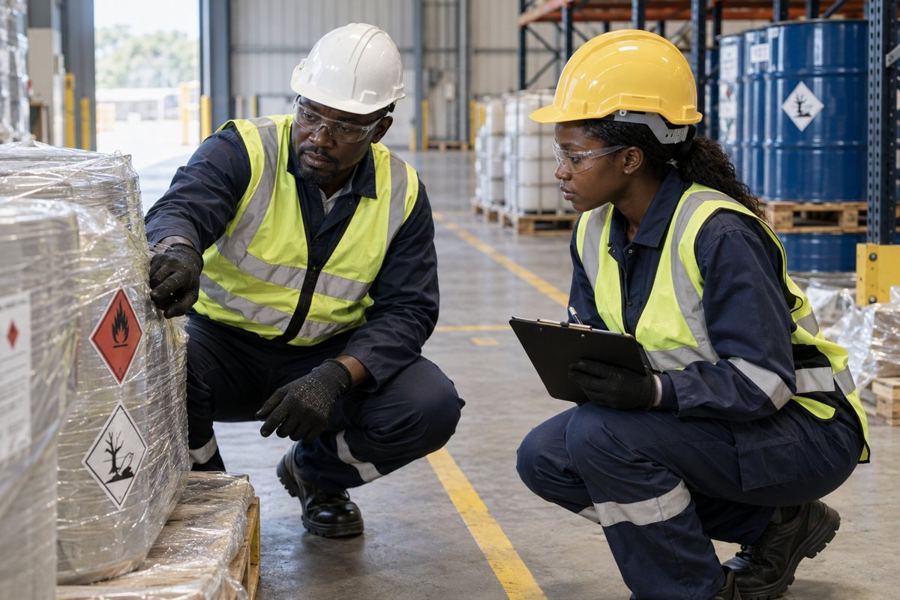
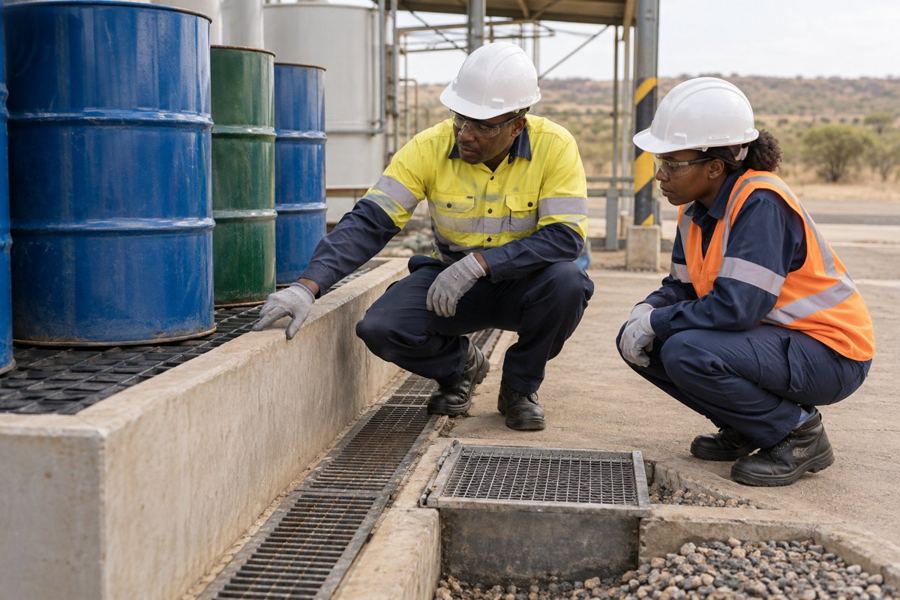
Safe receipt, storage, transfer and disposal of chemicals, with practical work on labelling, segregation, PPE selection and spill containment.

Core chemical safety principles for personnel who work near hazardous substances, including safety data sheets, exposure routes and emergency response.

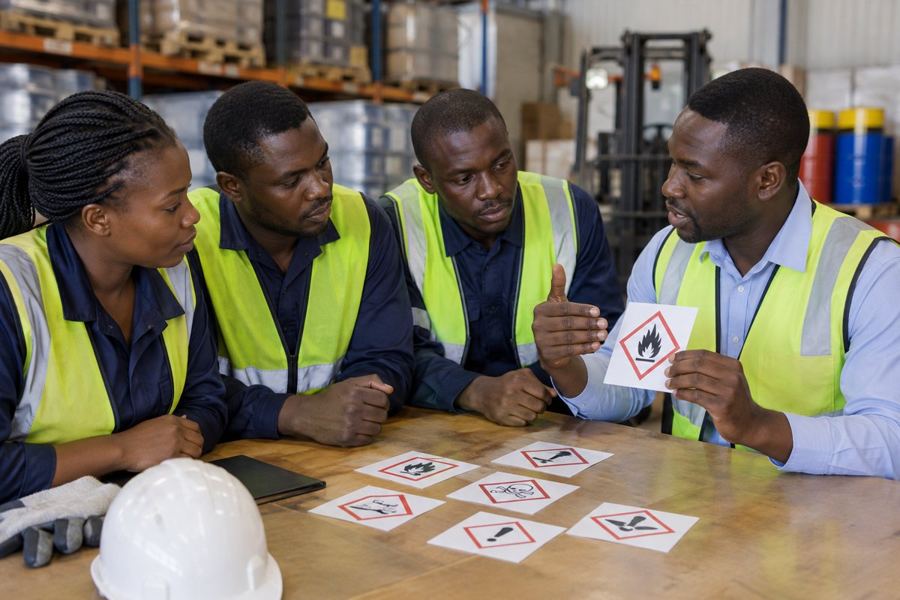
Implementation of a compliant hazard communication programme covering GHS labelling, safety data sheets, worker training and programme documentation.

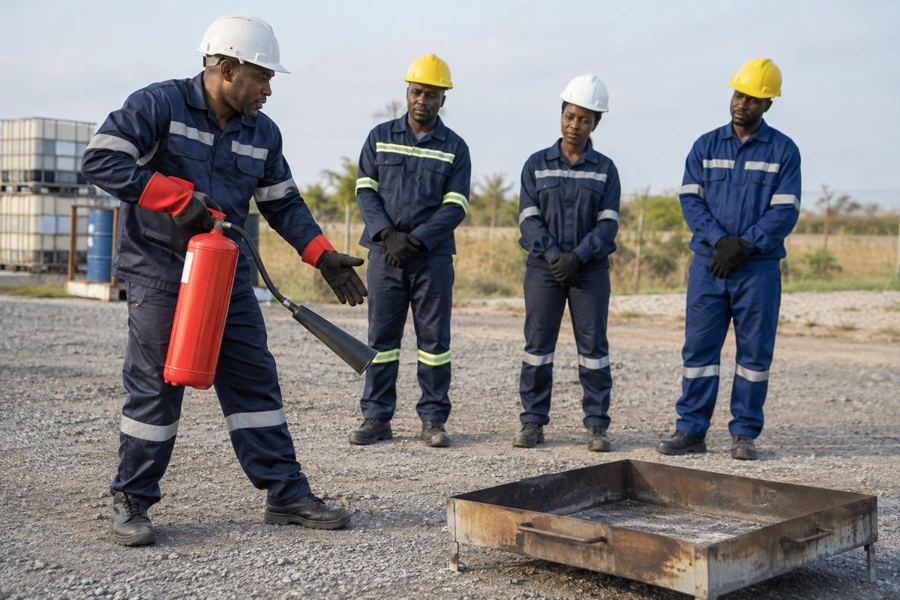
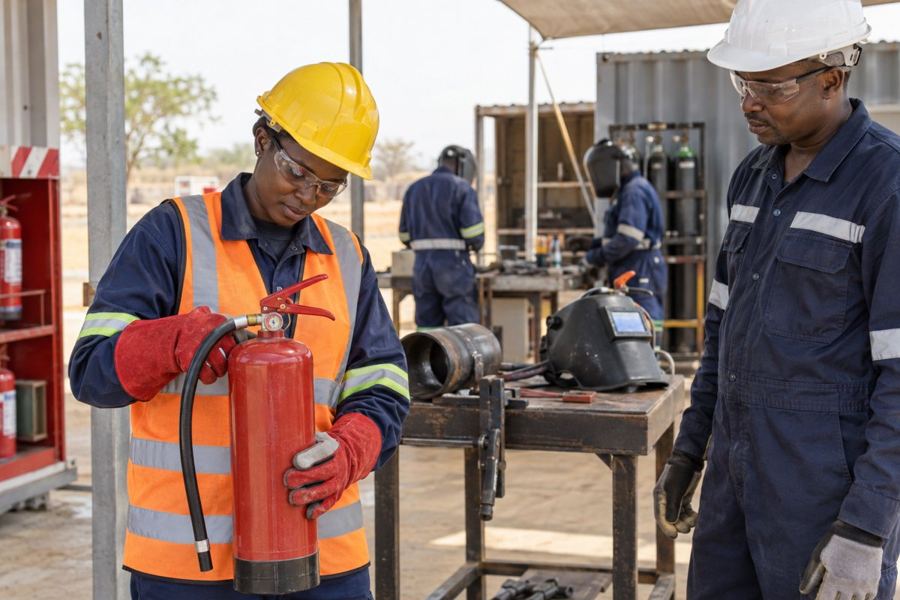
Practical fire fighting for all personnel: fire theory, extinguisher selection and live hands-on extinguishment of Class A and B fires.

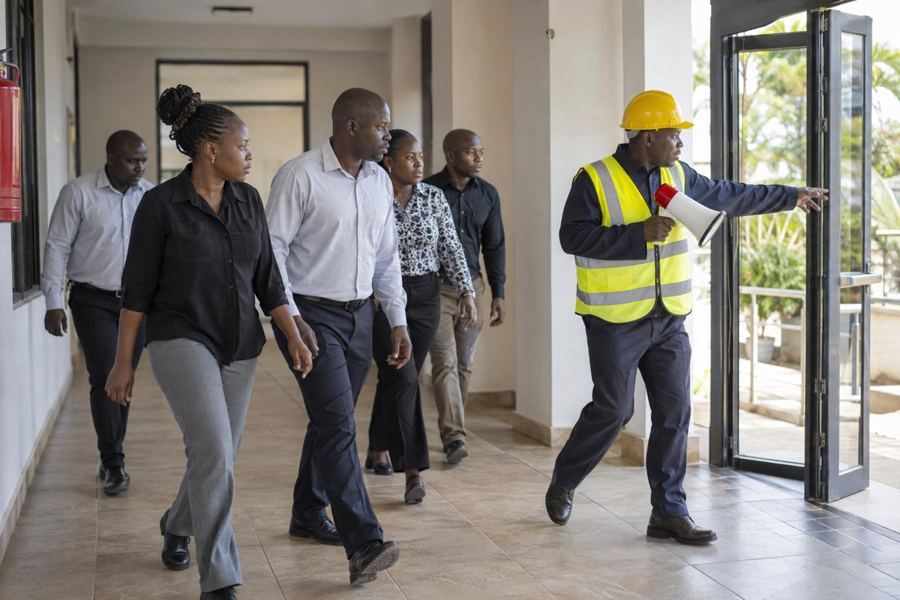
Preparation for the fire warden role, covering evacuation coordination, roll call, sweep procedures and liaison with emergency services.

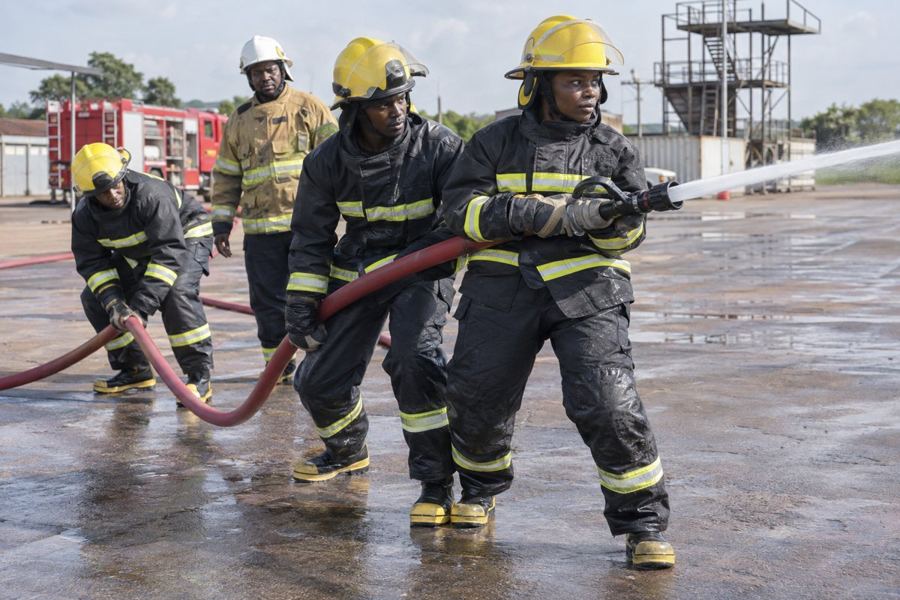
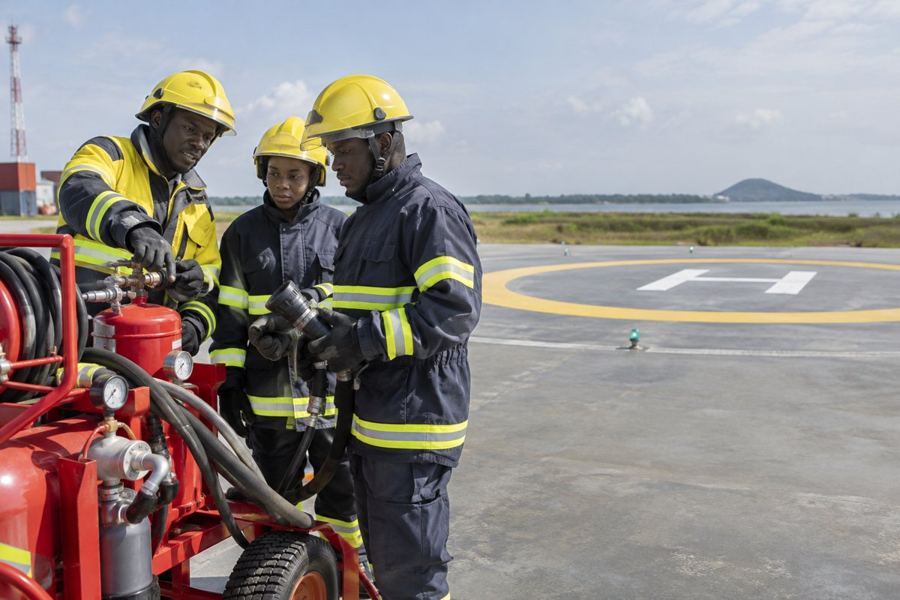
Intensive training for members of an industrial fire team, including hose handling, entry technique, search patterns and live fire attack in full PPE.

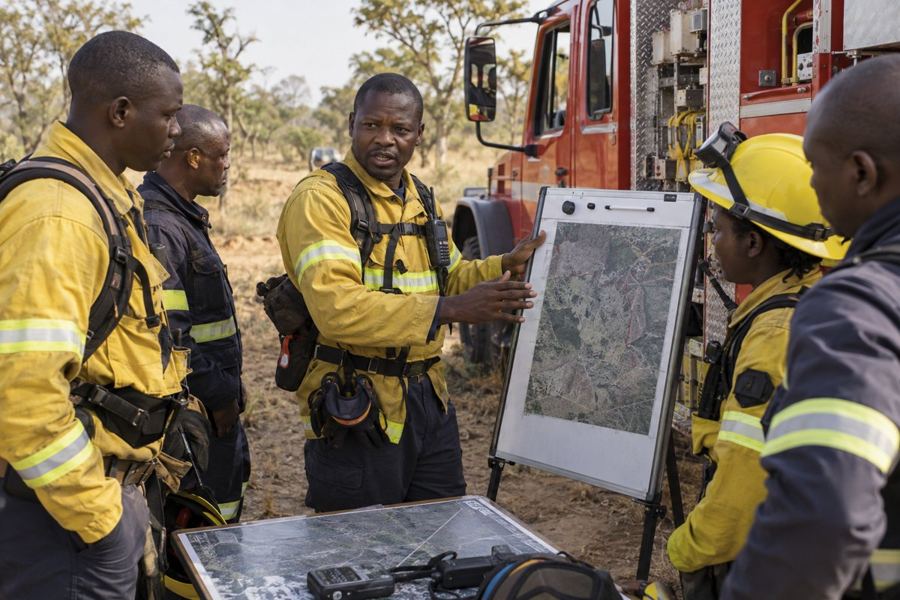
Command-level training for fire team leaders: incident sizing-up, tactical decision making, crew control and on-scene communications.

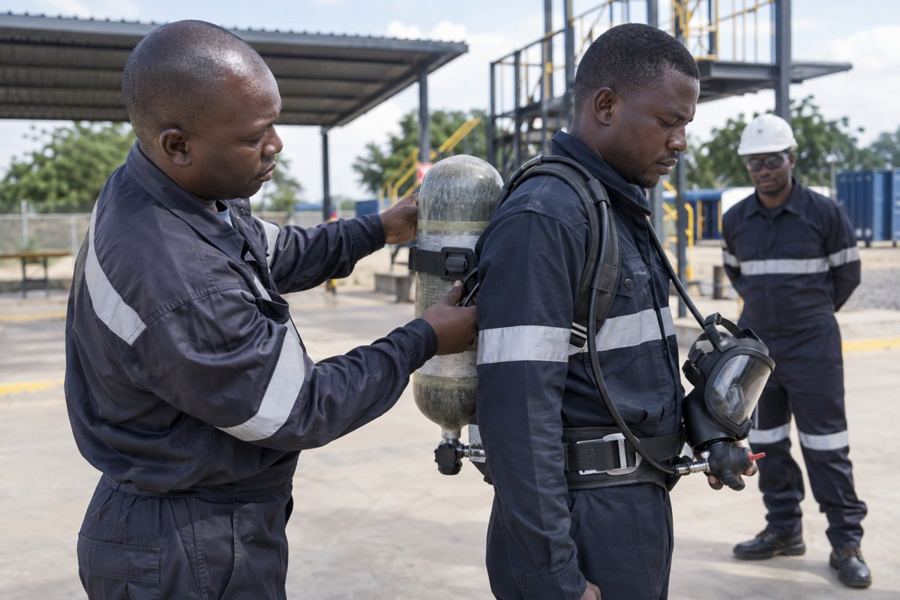
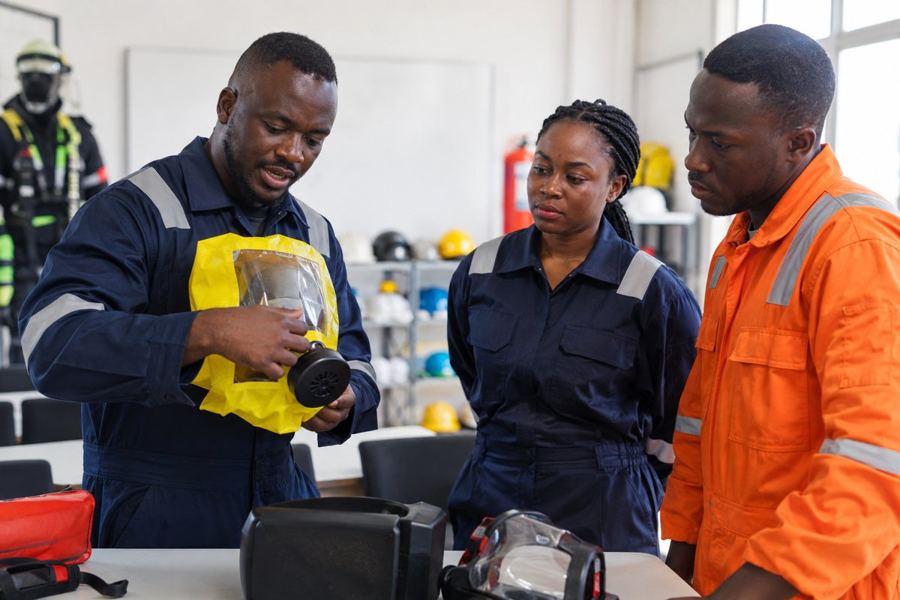
Certification in the correct wearing, functional testing and operational use of self-contained breathing apparatus in irrespirable atmospheres.

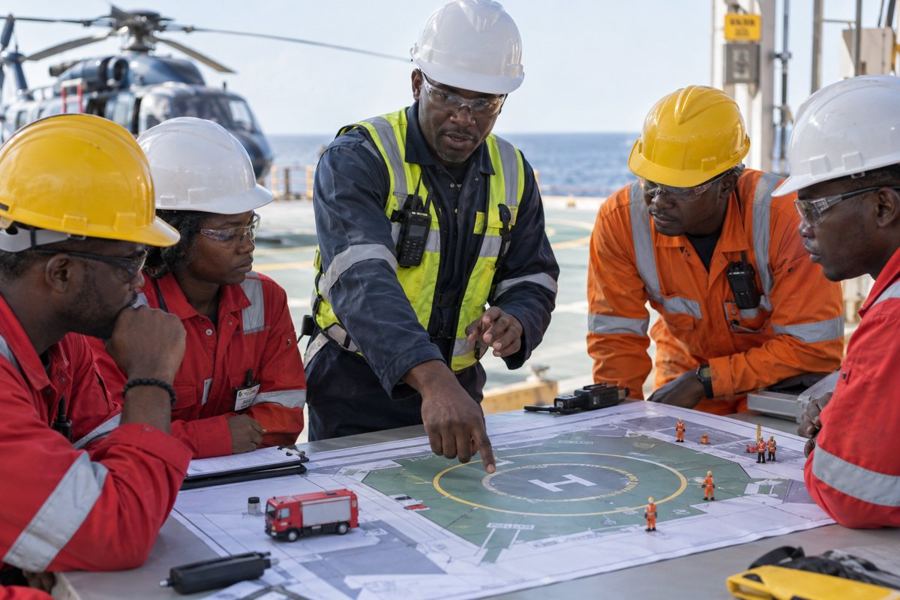
Full helideck emergency response team member training covering helicopter fire fighting, crash rescue, casualty extraction and helideck-specific media.

Leadership certification for helideck emergency response teams, adding command, crew deployment and post-incident management to full member competence.

A concise one-day course covering the immediate life-saving actions required at a workplace emergency — assessment, CPR, bleeding control and casualty handover.

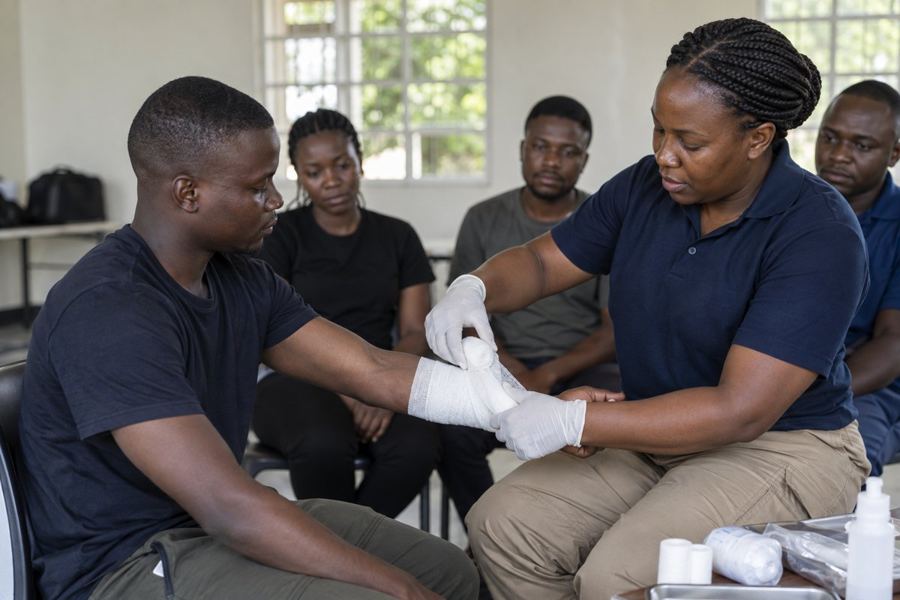
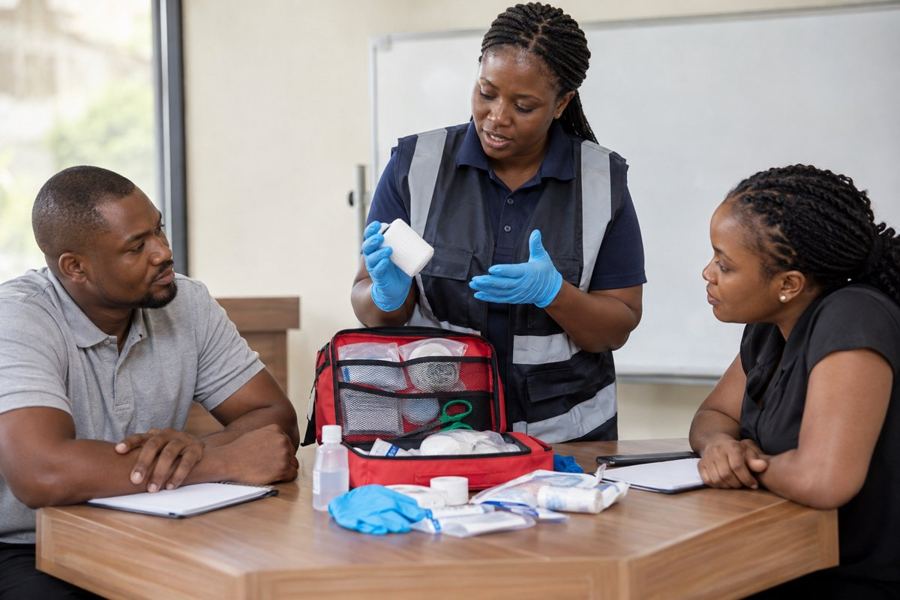
Two days of practical first aid covering primary and secondary survey, resuscitation, common injuries and medical emergencies.

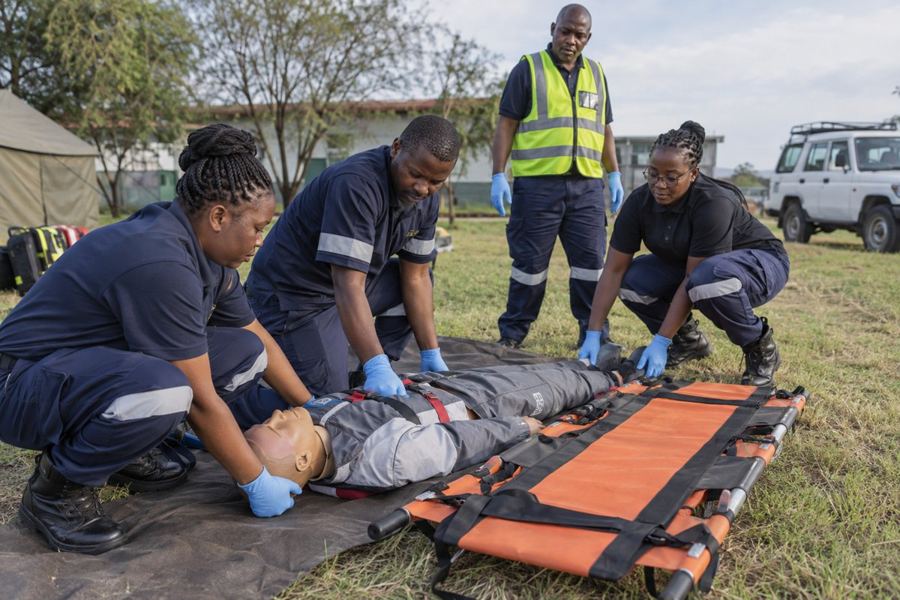
Advanced team-based casualty management for designated medical responders, including multi-casualty triage, oxygen therapy, immobilisation and evacuation.

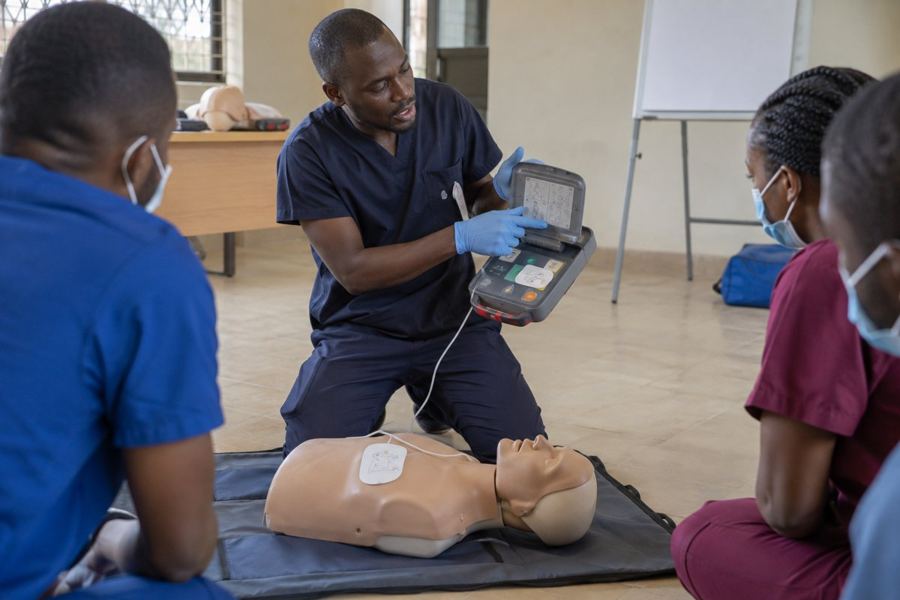
Emergency First Response Primary Care: CPR, AED use, serious bleeding management, shock and spinal injury care to international standards.

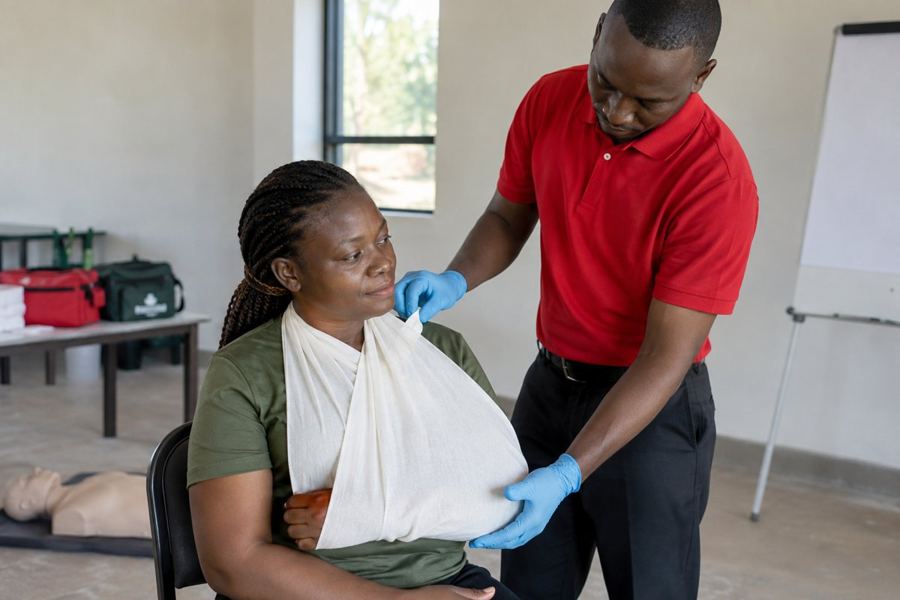
Emergency First Response Secondary Care: illness and injury assessment, bandaging, splinting and casualty care while awaiting emergency services.

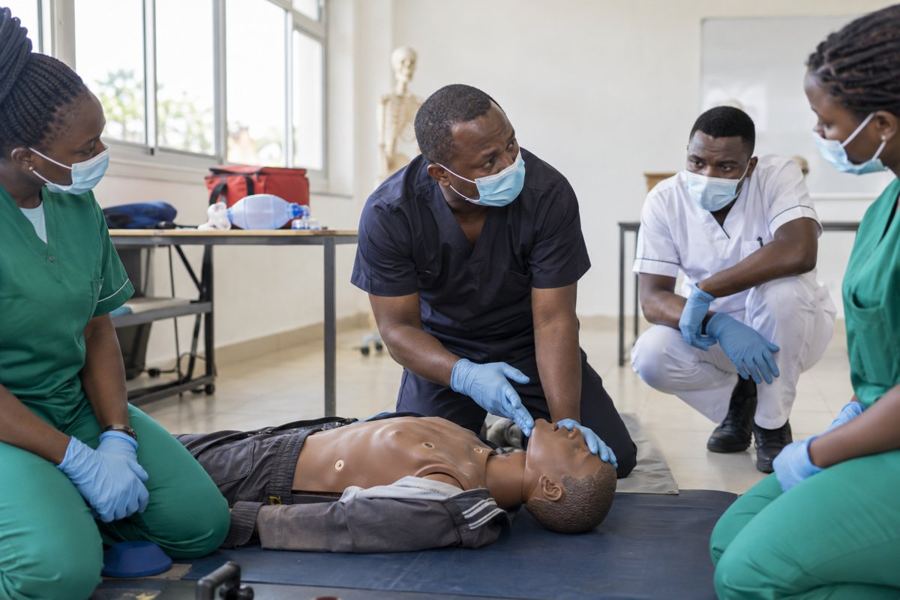
Basic Life Support with automated external defibrillation, delivered to current resuscitation council guidelines with intensive manikin practice.

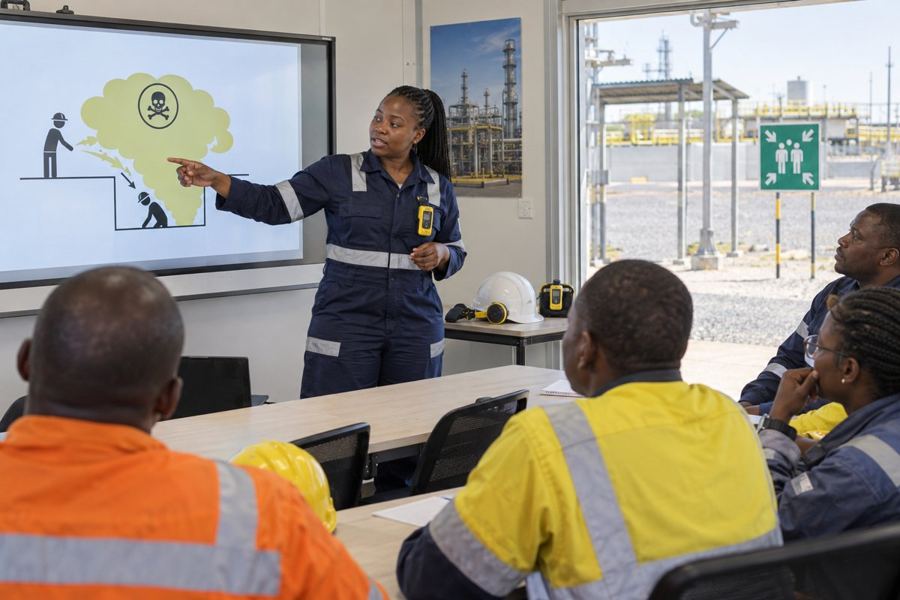
A half-day awareness session on the properties, health effects and detection of hydrogen sulphide, and the immediate actions on alarm.

Full basic H2S training including detection equipment, escape breathing apparatus, rescue technique and emergency response procedures.

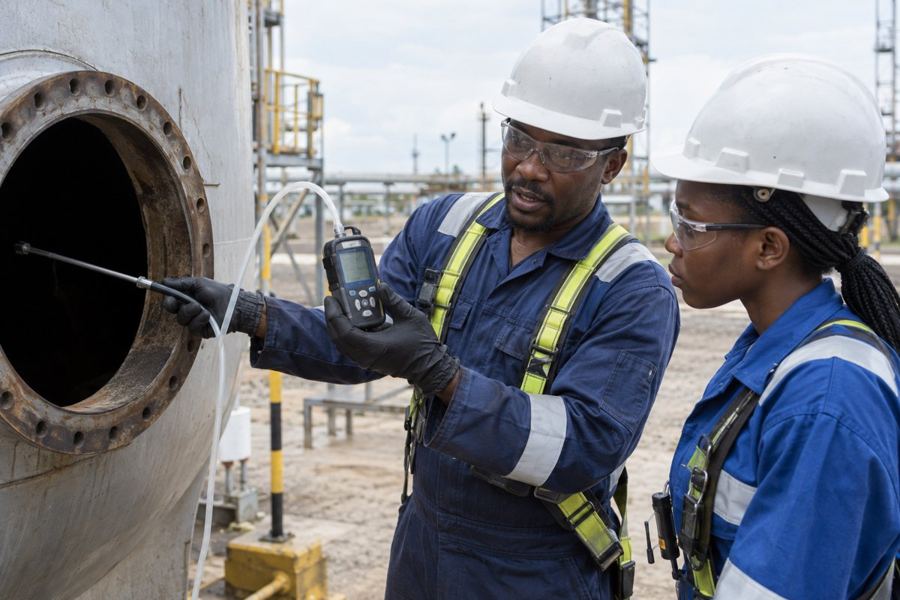
Certification in atmospheric gas testing: instrument selection, bump testing, calibration, sampling technique and interpretation of readings.

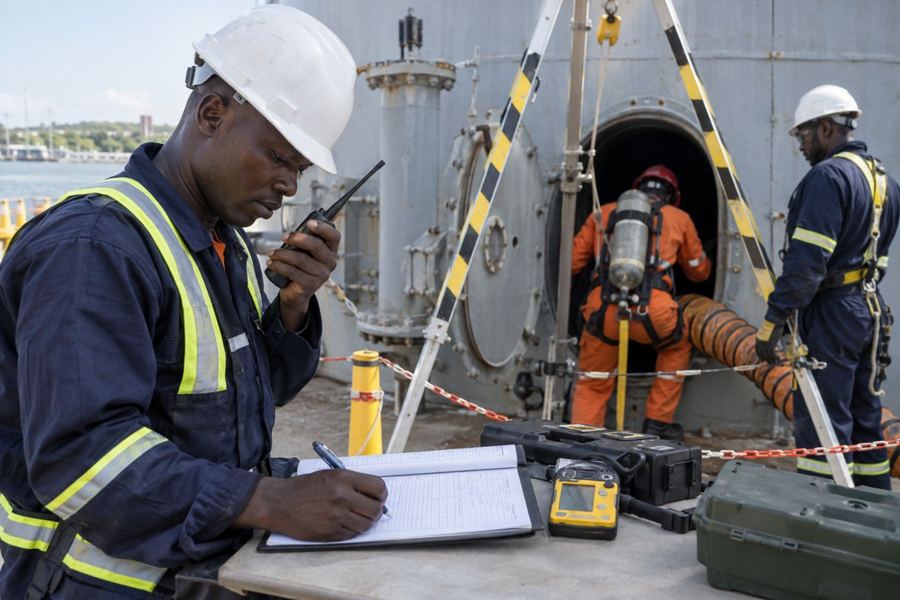
Training for those who plan confined space work — hazard identification, entry permits, atmospheric control, communications and emergency arrangements.

Authorised entrant certification covering pre-entry checks, equipment, atmospheric monitoring, communications and evacuation from confined spaces.

A combined programme delivering both planning authority and authorised entrant competence for confined space operations.

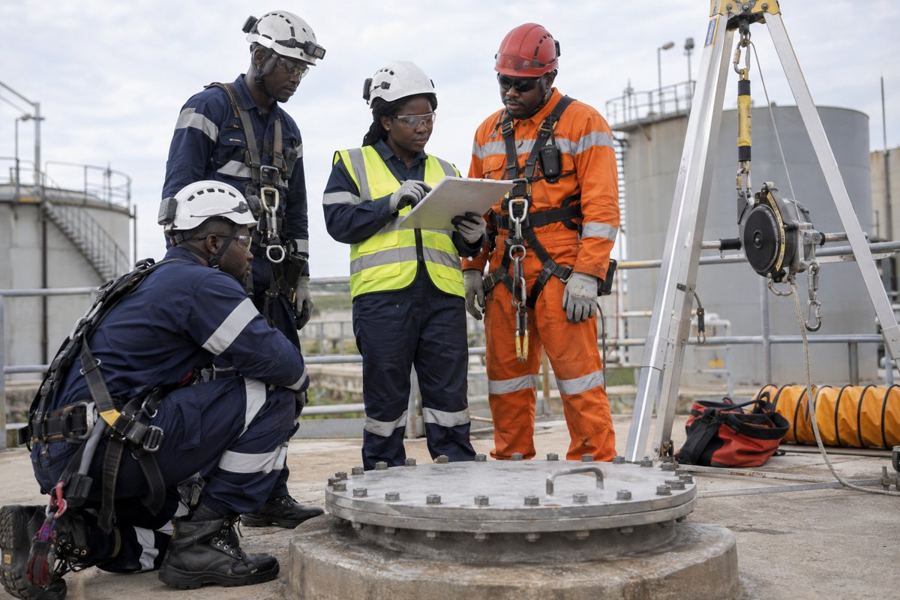
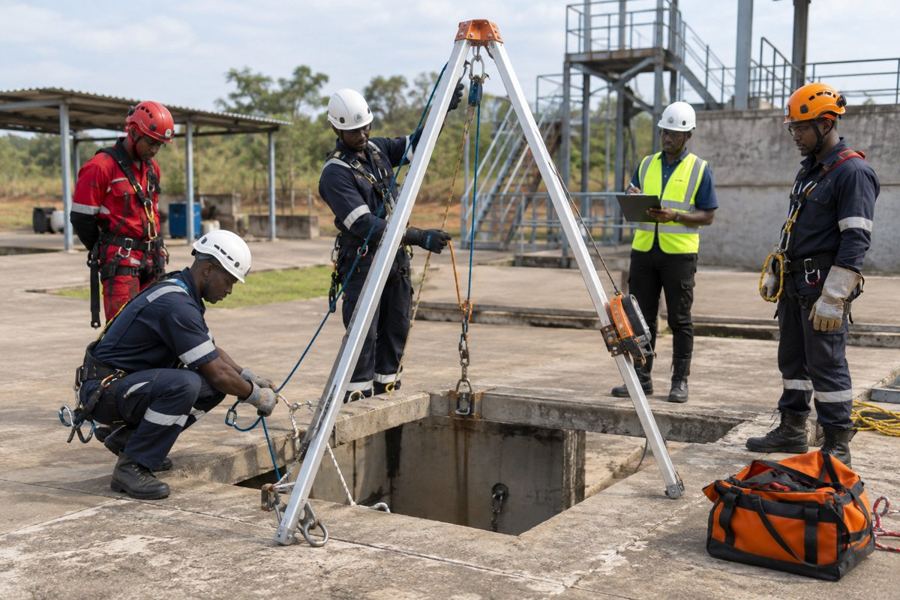
Technical rescue training for confined space rescue teams, including tripod and winch systems, casualty packaging and vertical extraction under BA.

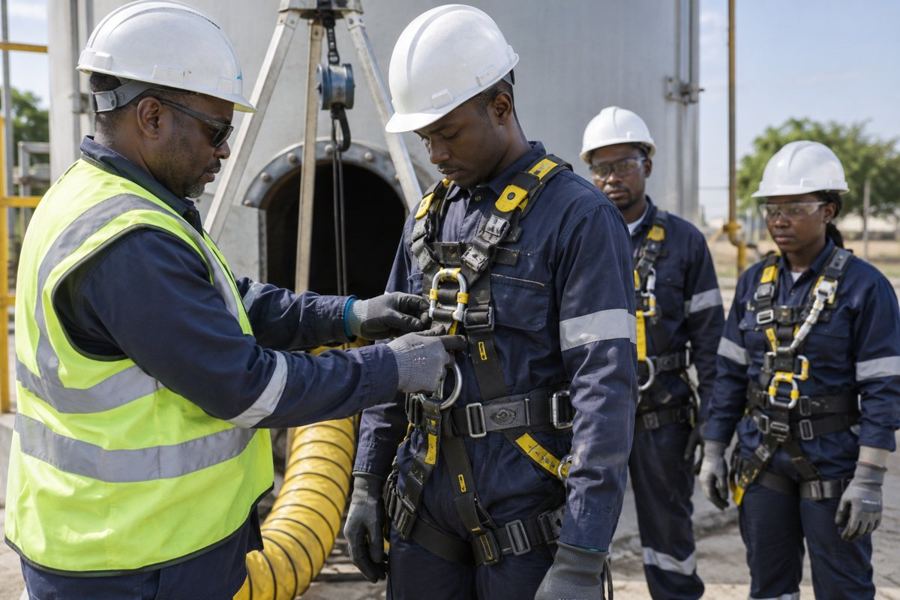
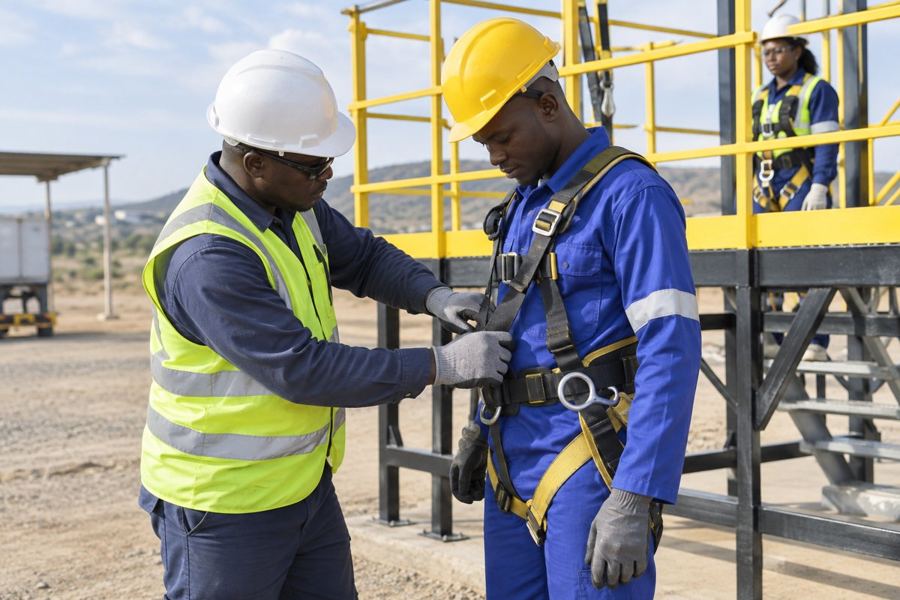
Safe work at height covering fall hazard assessment, harness and lanyard selection, anchor points, fall factors and correct use of access equipment.

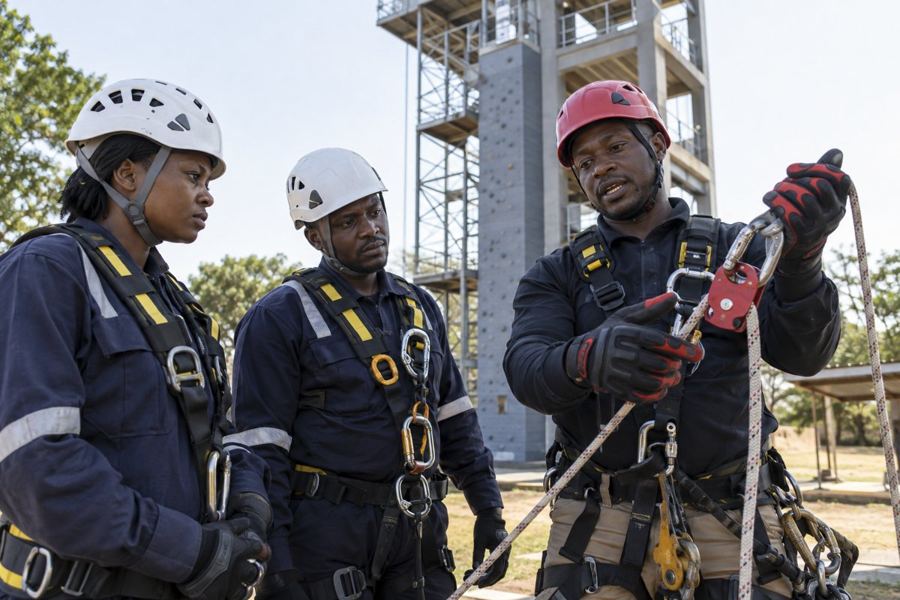
Rescue at height: suspension trauma, rescue plan development, descent and raising systems, and recovery of a suspended casualty.

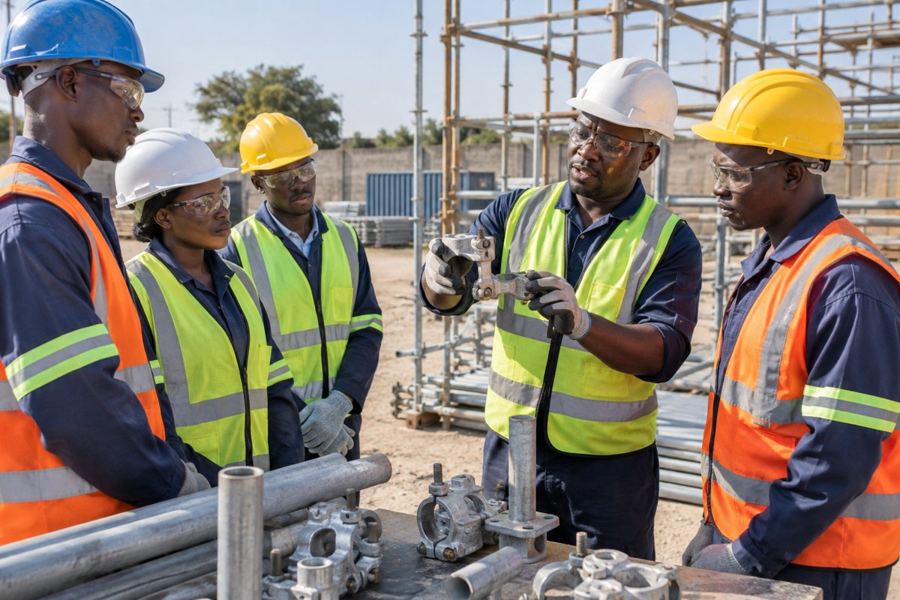
Five-day scaffold erector training covering component inspection, tube and fitting technique, tie patterns, bracing, handover and dismantling.

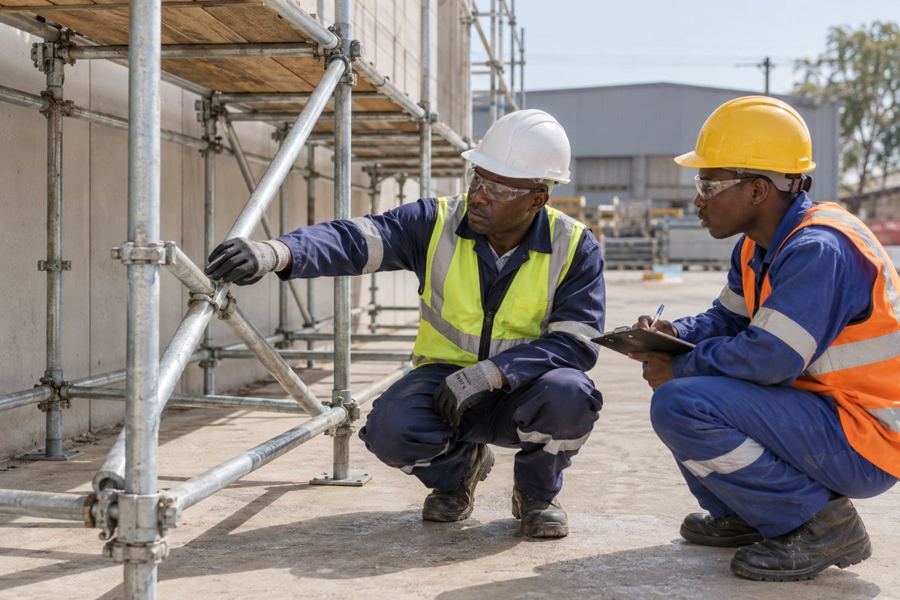
Supervisory training for scaffold operations: design appreciation, load calculation, inspection regimes, tagging and statutory documentation.

Core rigging and lifting competence — sling selection, load calculation, centre of gravity, equipment inspection and safe lift execution.

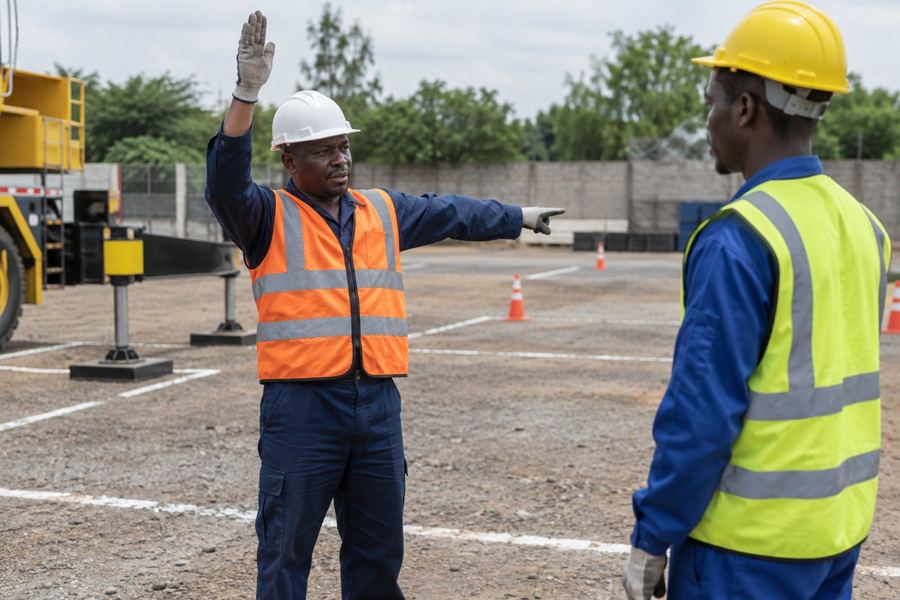
Banksman and slinger certification covering standard hand signals, radio communication, load attachment and control of the lifting zone.

Advanced certification for the Person in Charge of Lifting Operations, covering lift categorisation, lift plan preparation, risk assessment and on-site control.

Management of the rigging loft: register control, colour coding, statutory inspection, quarantine of defective gear and certification records.

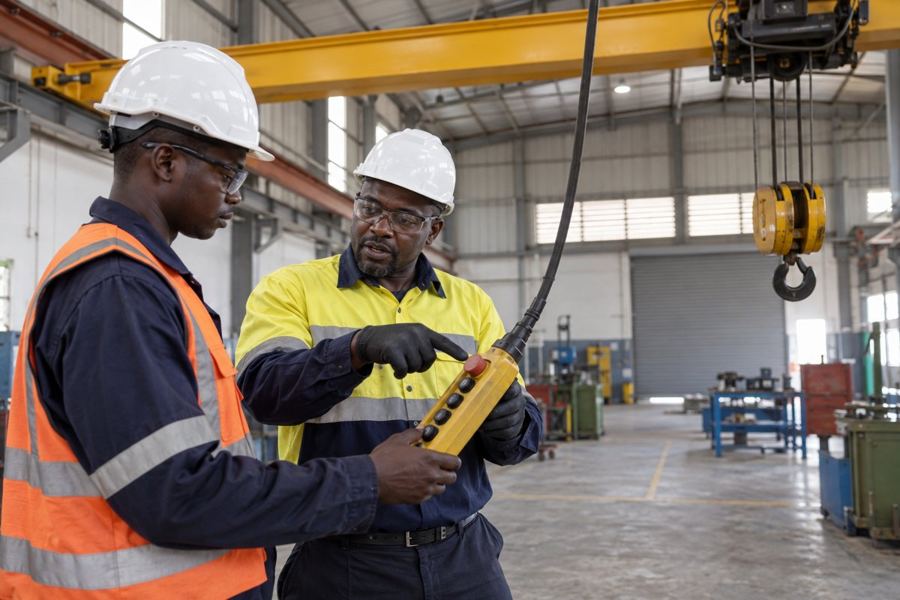
Operator certification for overhead travelling cranes including pre-use inspection, load control, anti-collision practice and emergency procedures.

Safe handling, storage and segregation of hazardous materials, including classification, labelling, PPE and emergency procedures.

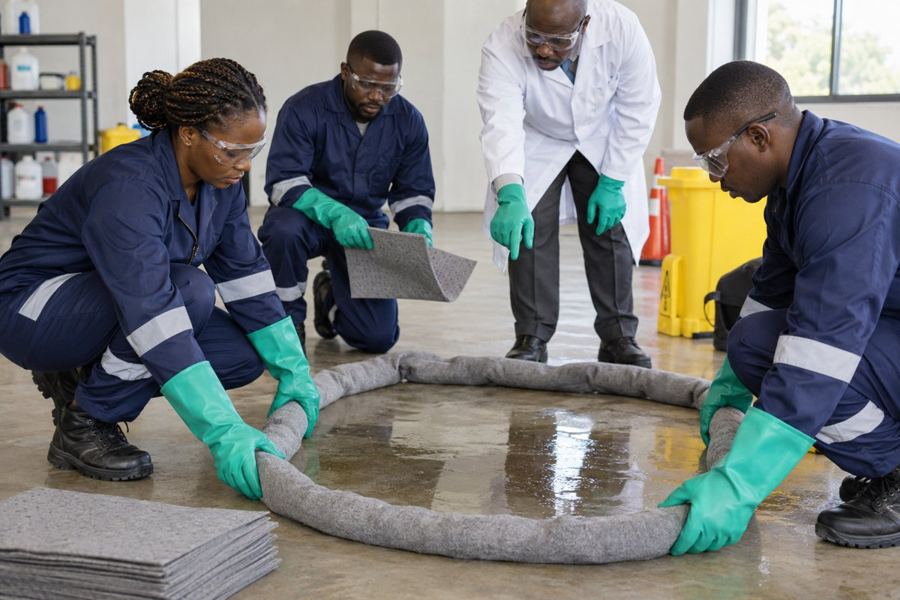
Chemical spill response covering containment, absorbent selection, decontamination, waste handling and incident reporting.

Spill prevention planning: source identification, secondary containment, transfer controls, inspection routines and SPCC documentation.

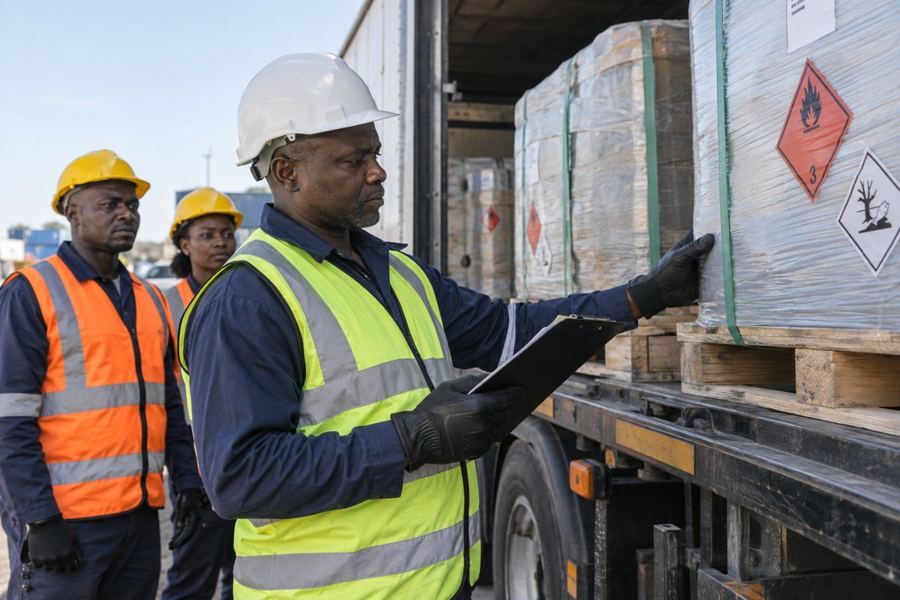
Certification for the transport of dangerous goods by road to 49 CFR requirements, covering classification, packaging, marking, placarding and shipping papers.

IMDG Code certification for dangerous goods shipped by sea, covering classification, segregation, packing, container traffic and documentation.

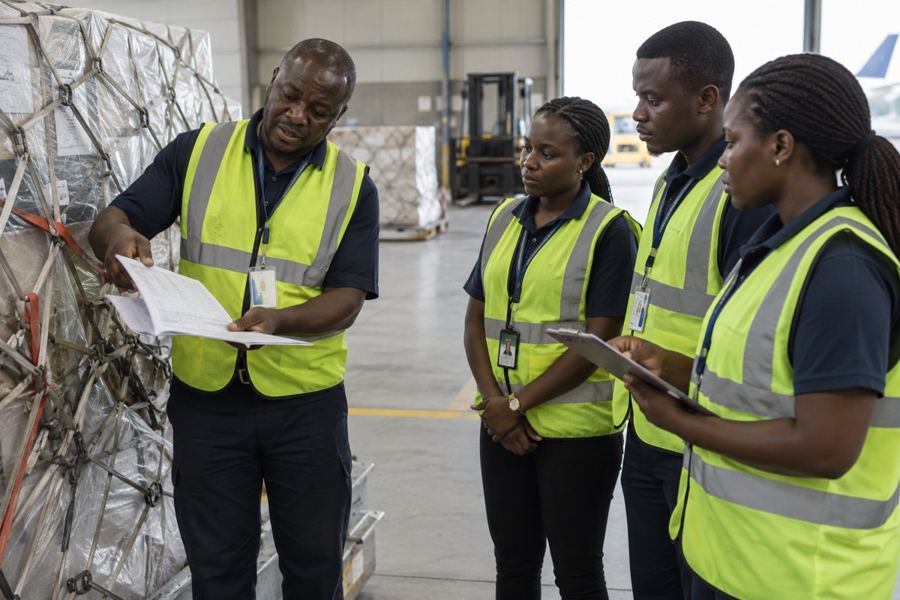
IATA Dangerous Goods Regulations certification for air shipments, covering classification, packing instructions, marking, labelling and the shipper's declaration.

Defensive driving theory and in-vehicle assessment covering hazard perception, space management, speed and journey risk.

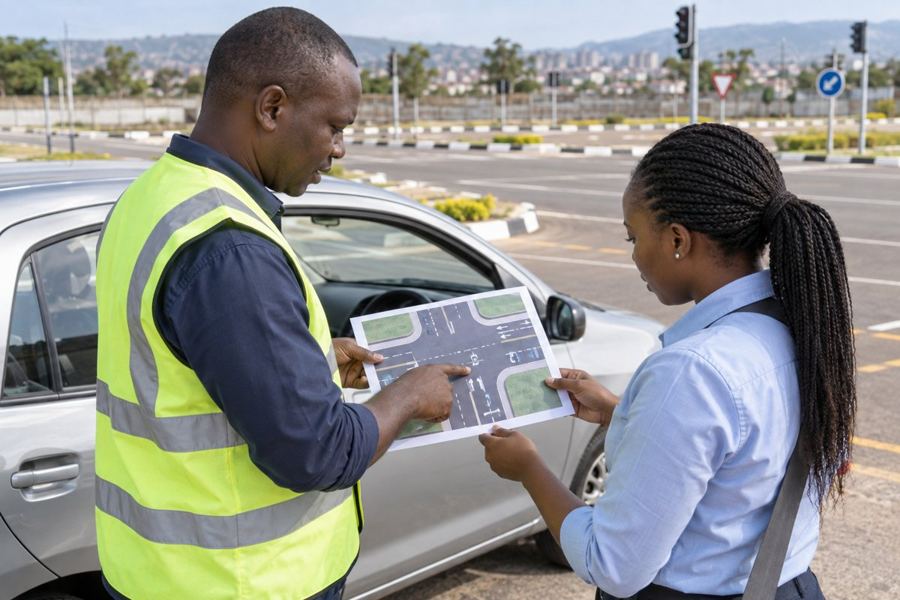
Urban defensive driving focused on congested traffic, vulnerable road users, junction discipline and city- specific hazards.

Off-road and desert driving including terrain assessment, vehicle recovery, convoy discipline, tyre management and self-recovery technique.

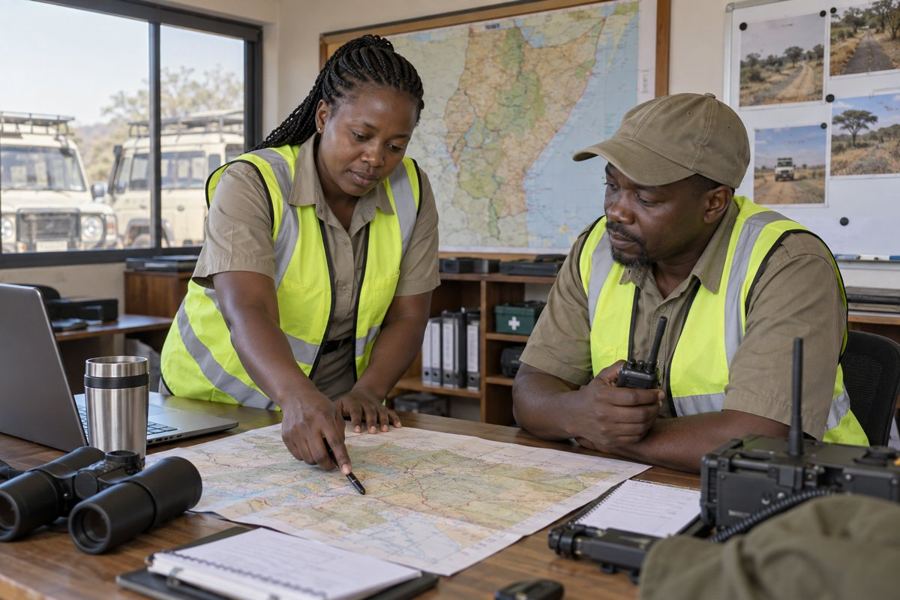
Journey management planning: route risk assessment, journey authorisation, driver hours, communications and monitoring.

Fleet management covering vehicle selection, maintenance regimes, driver competence assurance, IVMS data and fleet KPI reporting.

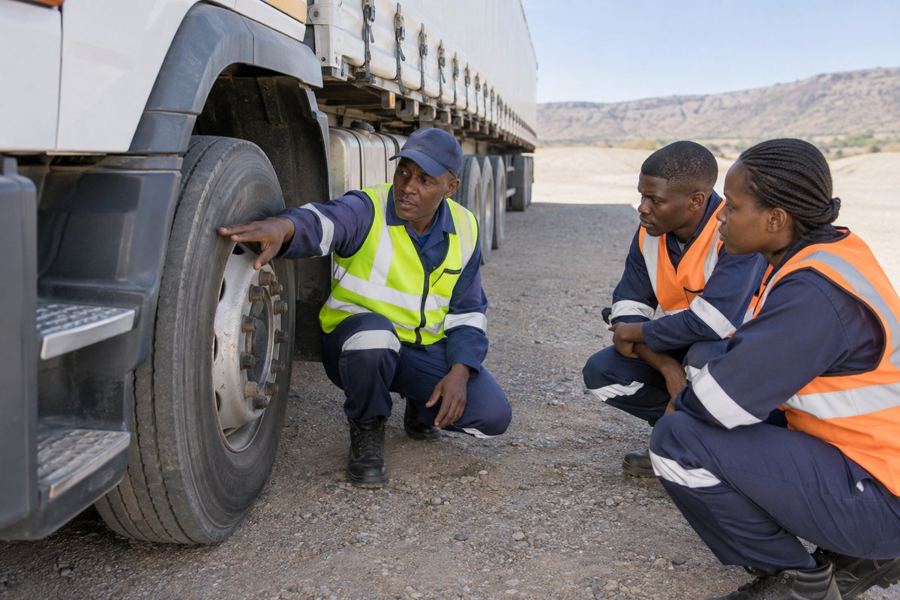
Defensive driving for heavy and articulated vehicles, covering load security, braking distance, blind spots, rollover dynamics and manoeuvring.

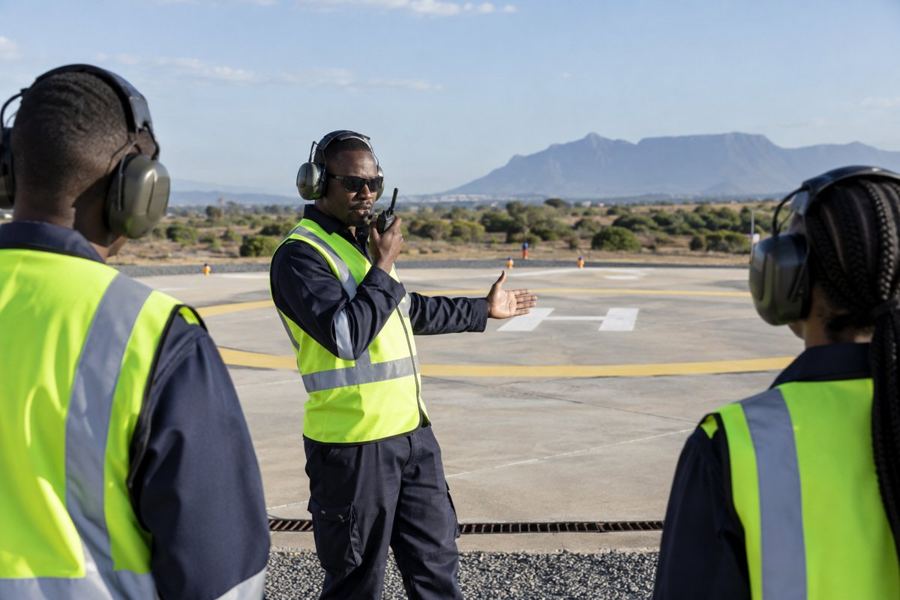
Helicopter Landing Officer certification covering helideck operations, passenger handling, refuelling supervision, radio procedure and emergency control.

Fire watcher training for hot work operations — pre-work checks, hot work permits, fire extinguishing readiness and post-work monitoring.

Confined space attendant training covering entrant tracking, atmospheric monitoring, communications, non- entry rescue and emergency activation.

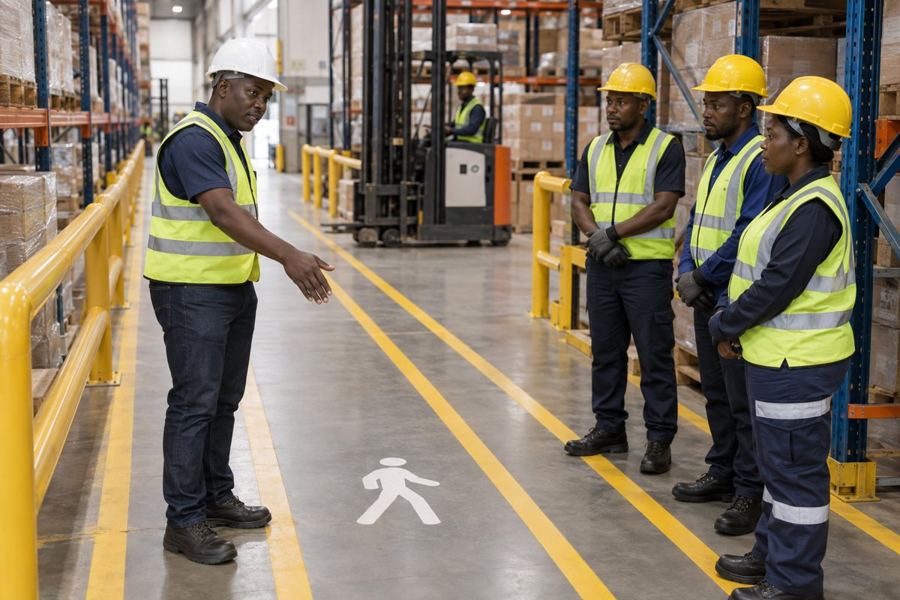
Warehouse operations and safety covering racking integrity, manual handling, stock control, traffic management and housekeeping standards.

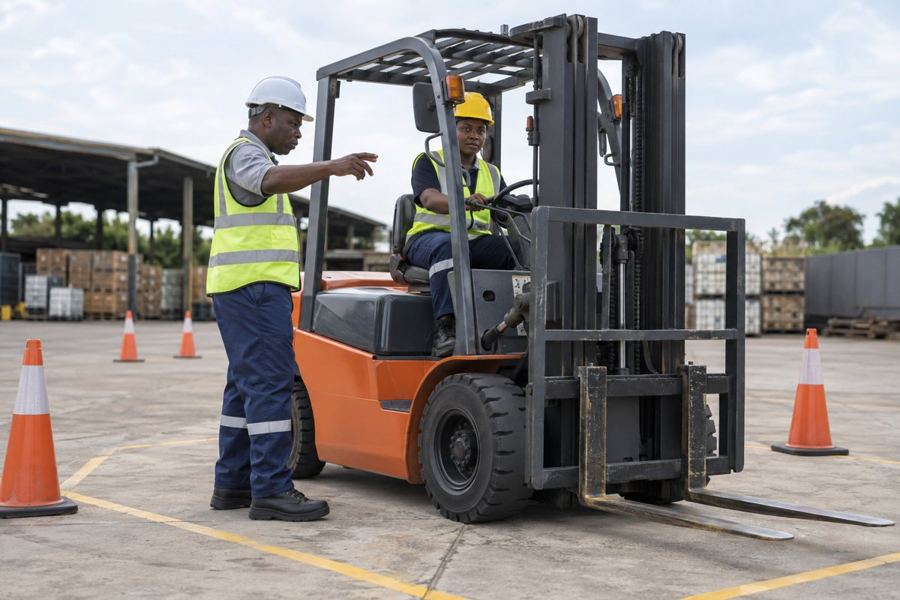
Forklift operator certification including pre-use inspection, stability triangle, load handling, pedestrian safety and practical assessment.

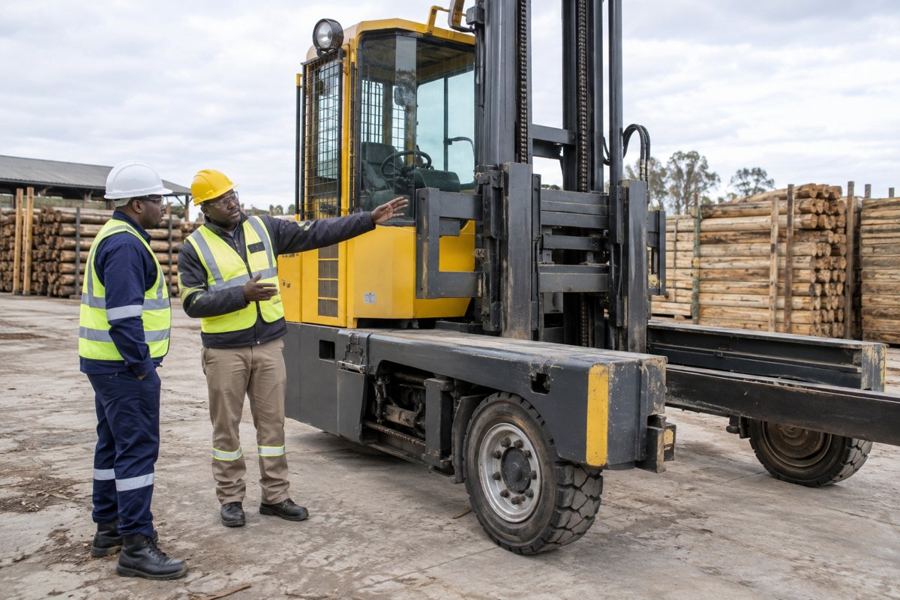
Side loader operator certification for long-load handling, covering stability, travel technique, load placement and confined-aisle operation.

Five-day HSE supervisor development covering leadership, legal duties, risk management, inspection, investigation and safety performance reporting.

Permit to Work training covering permit types, isolation and lock-out, gas testing interface, authorisation levels, handover and permit closure.
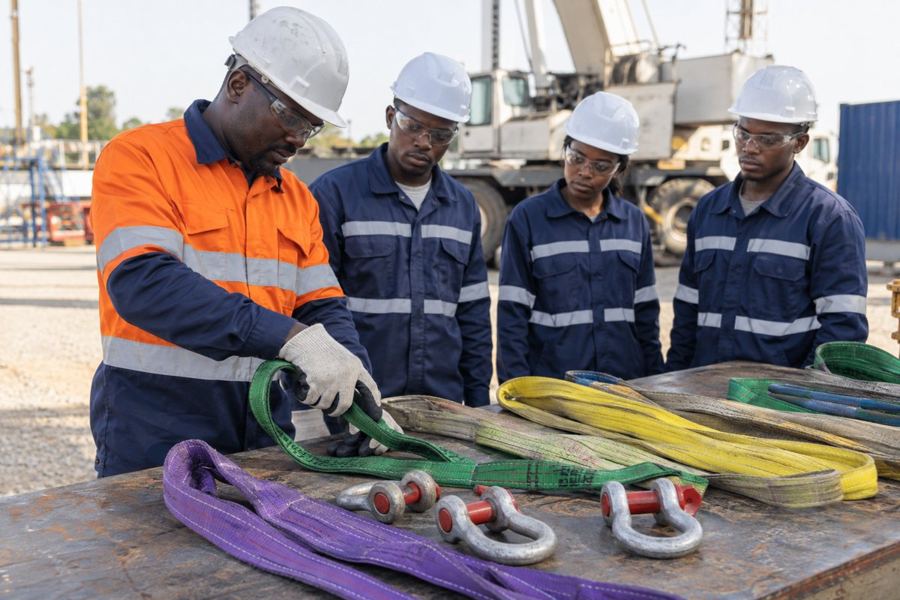
Instructors drawn from operations, emergency response and inspection backgrounds. Training reflects the conditions your teams actually work in.
Every programme concludes with assessment against published learning outcomes, with certification and records suitable for client and regulatory audit.
Courses run at your facility to minimise downtime and travel cost, using your equipment and procedures where that adds operational value.

Programmes designed and delivered for African operating environments, developing local workforce capability rather than importing it.
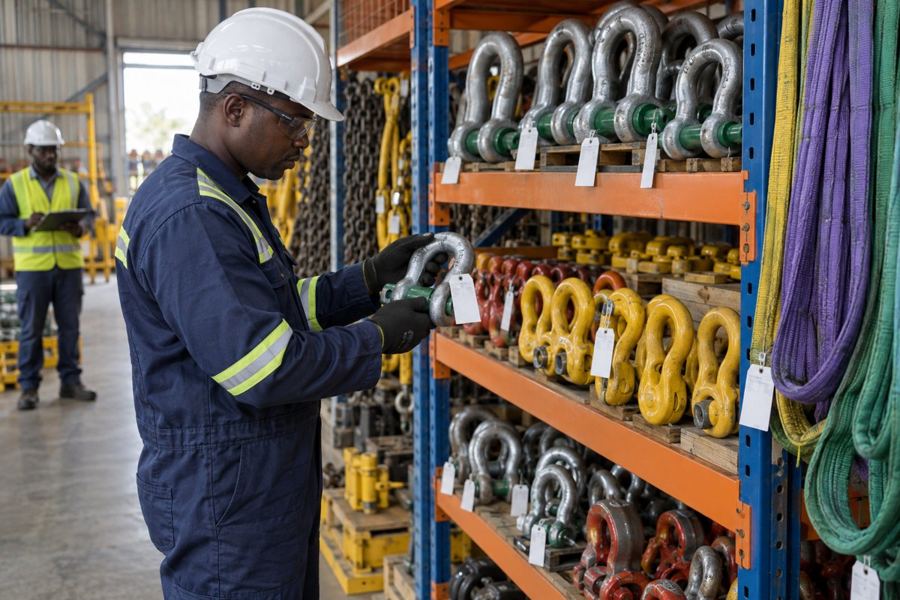
Controlled class sizes from 4 to 20 participants ensure genuine hands-on practice on breathing apparatus, rescue systems, lifting gear and vehicles.
Courses are structured so personnel can progress from awareness, to operator, to team member, to team leader and supervisor within the same discipline.
Tell us the roles you need certified and the standards you work to. We'll build a competence pathway and schedule delivery around your operation.